
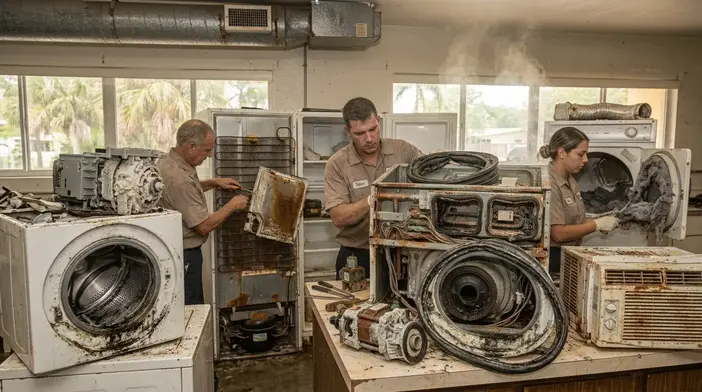
South Florida’s humidity damages appliances by forcing compressors to run longer, corroding metal parts, breaking down rubber seals faster, and creating the moist conditions mold and mildew need to grow inside washers and dishwashers. Combined with Florida’s naturally hard water, homes here put more strain on appliances in a single year than most northern homes see in three or four. If these problems are already affecting your appliances, our appliance repair services in Sunrise, FL can help identify the underlying issue before it turns into a costly breakdown. Here’s exactly how it happens, and what actually slows it down.
Your Compressor Is Working Overtime, Literally
In a South Florida kitchen, high temperatures can put additional cooling demand on your refrigerator. When the surrounding temperature rises, the refrigerator has to work harder to remove heat and maintain a safe internal temperature. ENERGY STAR recommends keeping refrigerators at the proper temperature, allowing airflow around the unit, and keeping condenser coils clean to help the appliance operate efficiently. ENERGY STAR refrigerator efficiency and maintenance guidance
That extra workload may become more noticeable when a refrigerator has dirty condenser coils, damaged door seals, poor ventilation, or an aging compressor. Over time, these conditions can contribute to longer compressor run times, higher energy use, and increased wear on the cooling system.
If your refrigerator is running almost constantly, making unusual noises, or struggling to maintain the correct temperature, the compressor and other cooling components should be professionally inspected.
Hard Water Adds a Second Layer of Damage
Much of Florida sits on limestone bedrock, and the groundwater reflects that. Tap water here carries more dissolved calcium and magnesium than water in most other states, and every appliance that touches water regularly feels the effect.
Washing machines build up mineral scale inside their pumps and hoses. Dishwashers develop cloudy buildup on heating elements, which makes them work harder to reach the same water temperature. Ice makers and water dispensers are especially vulnerable, since mineral deposits narrow the small tubes and valves these parts depend on, eventually restricting flow or blocking it entirely.

Rubber Seals and Gaskets Wear Out Ahead of Schedule
Every refrigerator and dishwasher door depends on a rubber gasket to keep cold air in or water contained. Humidity and heat both accelerate how quickly rubber degrades, causing it to crack, stiffen, or lose its shape years before it would in a drier, cooler climate.
Once a gasket stops sealing properly, the appliance behind it has to work harder to compensate, which speeds up wear on the compressor, the heating element, or the motor depending on the appliance. A cracked door seal is rarely just a small problem on its own.
Mold and Mildew Find a Home Inside Washers and Dishwashers
Front load washers and dishwashers both trap moisture inside rubber gaskets and door seals between uses. In a humid climate, that trapped moisture never fully dries out the way it would in a low humidity environment, which gives mold and mildew exactly the conditions they need to establish themselves.
Beyond the smell, mold buildup inside a washer’s door seal or a dishwasher’s filter area can eventually clog drainage paths and put extra strain on pumps and motors that were never designed to push against that kind of resistance.
Corrosion Spreads Through Metal Parts and Electrical Connections
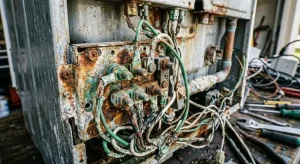
Persistent moisture in the air doesn’t stay outside your appliances. It works its way into control panels, wiring connections, and exposed metal components over months and years, slowly corroding contacts and connections that are meant to carry an electrical current cleanly.
Homes closer to the coast see this happen even faster, since salt in the air accelerates corrosion on refrigerator coils, oven burners, and washer components at a noticeably quicker rate than inland humidity alone.
Dryer Vents Clog Faster in Humid Air
Dryers pull air from inside your home through the lint filter and out through the exhaust vent. In humid conditions, lint traps more moisture as it collects, which means it clumps together and builds up inside the vent faster than it would in dry air. A partially clogged vent forces the dryer to run longer per load, and in more serious cases, it becomes a fire hazard that needs immediate attention. If your dryer is taking longer than normal to dry clothes or overheating during a cycle, our dryer repair service in Sunrise, FL can help diagnose the problem before it becomes a bigger issue.
Simple Steps That Actually Slow the Damage
Clean refrigerator condenser coils every six months instead of the once a year northern manufacturers usually recommend, since dust combined with humidity builds up faster here. The U.S. Department of Energy’s refrigerator maintenance guidance also recommends keeping condenser coils clean to help refrigerators operate efficiently.
Wipe down washer and dishwasher door seals after use and leave the door cracked open between loads so trapped moisture can actually dry out. This can help reduce moisture and odor buildup inside the appliance.
Check your dryer vent for lint buildup more often than you think you need to, especially if loads are taking longer to dry than they used to. The U.S. Fire Administration’s dryer fire safety guidance recommends cleaning dryer vents and filters regularly to reduce fire risks.
Consider a water softener if your home relies on well water or municipal water with high mineral content, since it can help reduce mineral buildup in water using appliances. The U.S. Geological Survey’s information on hard water explains how dissolved minerals such as calcium and magnesium contribute to water hardness.
When the Damage Is Already Done
Preventive steps slow down how fast humidity and hard water wear on your appliances, but they don’t undo damage that’s already happened. If your refrigerator’s compressor sounds like it’s working harder than it used to, your dishwasher has developed a persistent odor no cleaning cycle fixes, or your dryer is taking noticeably longer to finish a load, those are signs the humidity has already taken a toll.
In Sunrise, FL, we see this exact pattern across nearly every home we visit, refrigerators working harder than they should, washers with early gasket wear, and dryer vents clogged well ahead of schedule. If you’re noticing any of these signs, schedule a diagnosis before a slow decline turns into a full breakdown, or start with our if cooling is the issue you’re dealing with right now.
Frequently Asked Questions
Does Florida’s humidity really shorten appliance lifespan?
Yes. Between constant compressor strain, faster rubber seal degradation, mold growth, and corrosion, appliances in South Florida homes commonly show wear years ahead of their expected lifespan compared to drier climates.
How often should I clean my refrigerator’s condenser coils in Florida?
Every six months is a reasonable target in humid coastal areas, compared to the once a year most manufacturers recommend for average conditions.
Can hard water really damage my dishwasher or washing machine?
Yes. Mineral buildup from hard water coats heating elements, narrows water lines, and forces pumps and motors to work against restriction, which shortens their service life over time.
Is mold inside my washing machine dangerous?
It’s more of a maintenance and odor problem than a health emergency for most households, but left unchecked it can clog drainage components and lead to bigger mechanical issues.